How to Cope with Pet Loss: A Compassionate Guide Through Grief
How to Cope with Pet Loss: A Compassionate Guide Through Grief
When a beloved pet passes, the silence they leave behind can feel impossibly loud. The empty spot on the couch. The bowl you keep almost filling. The instinct, halfway through the day, to call their name — only to remember. For many of us, the love we shared with our pet was the most uncomplicated love in our lives. So when they go, the grief is anything but small.
If you're reading this in the hard early days, or months later when the world has moved on while you have not, please know: what you're feeling is real, and it is not too much. We at Furfond hear from grieving pet parents every week, and this guide is here to walk gently beside you — offering language for what you're moving through, daily practices that help, and ways to carry your pet's memory forward into the rest of your life.
Why Pet Grief Is Real Grief
One of the hardest parts of losing a pet is how often the wider world dismisses it. People who would never say "it was just a person" feel comfortable saying "it was just a dog." But research in grief psychology has shown repeatedly that the bond between a person and a companion animal can be as profound — and as biochemically real — as the closest human bonds. The daily routine of feeding, walking, and caring for them shaped your nervous system. Their loss is not a small loss. It is the loss of a love that lived in your body.
You may also be grieving things harder to name: the loss of a daily rhythm, the loss of unconditional welcome at the door, the loss of a witness to your ordinary life. These are sometimes called secondary losses, and naming them can help you understand why even simple moments — coming home, making coffee, walking past their favorite window — can quietly undo you for a while.
The Stages You Might Move Through
Grief is not a straight line, and it doesn't move through tidy phases in order. Most people move through these emotional weather systems in waves, sometimes circling back to one they thought they had passed. The point of naming them isn't to grade your grief — it's to help you recognize what you're in.
- Shock and numbness. Especially in the first hours and days, you may feel strangely detached, foggy, or unable to cry. This is your nervous system protecting you. It is not a sign you didn't love them enough.
- Bargaining and "what if." Replaying the last vet visit, the symptoms you didn't catch sooner, the decisions you made. This is grief's way of trying to make the unbearable make sense. Be gentle with the part of you that is still trying to save them.
- Anger or guilt. At yourself, at vets, at the disease, at the universe. Anger and guilt are often grief in disguise — the heart's way of holding onto the feeling of doing something when there is nothing left to do.
- Deep sadness. The full, body-felt weight of the loss. Crying that comes from somewhere deeper than your eyes. This stage can feel frightening because of its depth — but it is also the heart finally letting itself feel what is true.
- Quiet integration. Not "moving on," but slowly learning to carry your pet with you instead of for them. The love does not get smaller; the space around it gets larger.
Most people move between these states for weeks or months, sometimes longer. There is no correct pace.
Gentle Daily Practices That Help
In the rawest stretch, big strategies feel impossible. What helps most is a small handful of practices, done with patience, on the days you can manage them.
- Move your body once a day. A short walk, a stretch, a slow lap around the block. Grief lives in the body, and gentle movement helps it metabolize.
- Say their name out loud. Tell a friend a story. Write to them in a journal. Talk to their photo. Refusing to use their name often makes grief harder, not lighter.
- Keep one small ritual. Light a candle at dinner. Pause at their favorite window when you walk past. Tiny anchors keep the love present without overwhelming you.
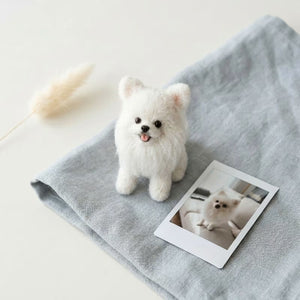
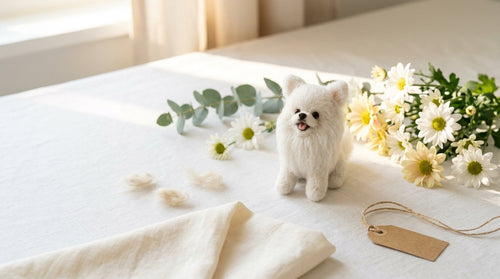
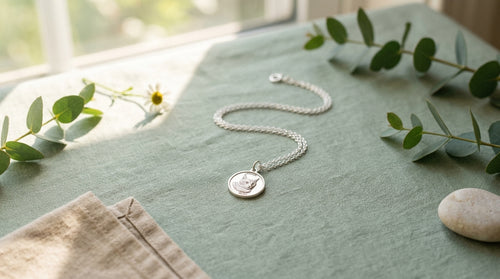
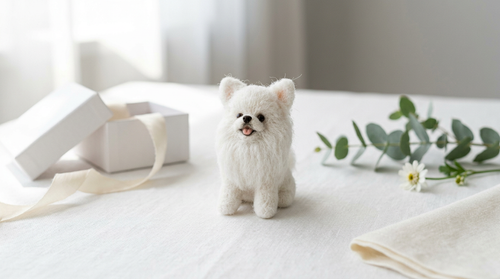
- Hold something tangible. Many people find unexpected comfort in a keepsake they can hold during the worst hours — a small custom pet plush, a custom pet necklace worn close to the heart, or a hand-sculpted custom pet portrait frame placed where you'll see it each morning. The goal isn't to replace your pet — it's to give your hands and eyes somewhere to rest the love they're still carrying.
- Eat and sleep, even imperfectly. Grief is metabolically expensive. Aim for adequate, not perfect.
When to Seek More Support
Most pet grief moves, slowly, on its own. But if you find yourself unable to function for weeks, having thoughts of harming yourself, using substances to cope, or fully withdrawing from people who love you, please reach out for help. Pet loss is a legitimate reason to see a therapist — many now specialize in pet bereavement. Several pet loss hotlines run by veterinary schools also offer free, confidential phone support; your vet's office often has the local number.
It is not weakness to need more support than daily life can give you. The depth of your grief is a measure of the depth of your love.
Honoring Their Memory Over Time
As the rawest weeks soften into months, many pet parents find that what helps next is creating small, intentional ways to carry their pet with them. There is no rush to do any of these — some people are ready in a week, others in a year — but having a sense of what is possible can be a gentle anchor.
A pet memorial gift chosen for yourself can be one of the kindest things you do in your first year of grief. A hand-engraved silver pendant worn close to the heart. A needle-felted wool portrait you walk past each morning. A small plush sculpture sitting on the shelf where their bed used to be. These are not substitutes — they are companions to the grief, soft objects that say you mattered, you matter, every day. You may also find meaning in marking their birthday, their adoption day, or the anniversary of their passing with a quiet ritual at home. The point is not to perform mourning. It is to keep loving them, in the new shape that love has now.
Frequently Asked Questions
How long does pet grief usually last?
There is no fixed timeline. Acute grief — the kind that interrupts daily life — often softens over three to six months, but many people feel waves of strong grief on anniversaries, holidays, or random Tuesdays for a year or more. If a year has passed and grief is still preventing you from functioning, that's a gentle signal to seek additional support.
Is it okay to cry every day?
Yes. Crying is one of the body's natural ways of regulating big emotions. Daily tears in the first weeks are common and healthy. Worry less about how often you cry and more about whether you are still able, on most days, to eat, sleep, and connect with people who love you.
Should I get another pet to help me cope?
There's no universal right answer. A good rule of thumb is to wait until the new pet would be welcomed for who they are, not as a replacement for who you've lost. There is no shame in either timeline.
What can I do with my pet's belongings?
Whatever feels right to you, in your own time. Many pet parents keep one or two cherished items and pass the rest to a local shelter when ready. There is no correct moment.
How do I cope with guilt about a euthanasia decision?
Euthanasia guilt is one of the most common — and most painful — kinds of pet grief. Please know: choosing to release a beloved pet from suffering is an act of love, not failure. If guilt is consuming you, a session or two with a pet loss counselor can make a profound difference.
What if I feel embarrassed by how much I'm grieving?
You are not too much. The depth of your grief reflects the depth of the bond you shared. Seek out people who understand — pet loss support groups, online communities, or friends who have grieved their own pets.
You Are Not Alone
If you're moving through pet loss right now, please be patient with yourself. There is no version of this you have to do well, no timeline you have to keep, no proof of love you have to perform. Your pet was loved, deeply and well, and the grief you carry is the shape of that love continuing. At Furfond, we craft handmade pet memorial gifts for grieving families every week, and we make each one with the care it deserves — because we know the keepsake itself is small, but the love it holds is everything. When you're ready, in your own time, we'll be here.