How to Care for a Custom Pet Portrait Frame: Wool Felt Cleaning & Preservation Guide
How to Care for a Custom Pet Portrait Frame: Wool Felt Cleaning & Preservation Guide
The day your custom pet portrait frame arrives is one our customers tend to remember in detail — the careful unwrapping, the first look at a face sculpted entirely by hand, the quiet realization that someone spent many hours capturing the exact tilt of an ear or the soft markings around the eyes. A portrait like this isn't decor. It's a keepsake meant to outlast trends, moves, and the slow passing of years.
Because it is made of needle-felted wool rather than printed ink or painted canvas, it asks for a slightly different kind of looking-after than the other frames on your shelves. The good news: proper custom pet portrait frame care is genuinely simple once you understand what the materials want. This guide covers everything — from the weekly two-minute dusting to long-term preservation and the rare repair.
Understanding What You're Caring For
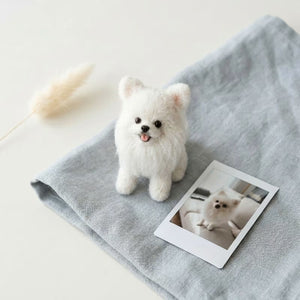
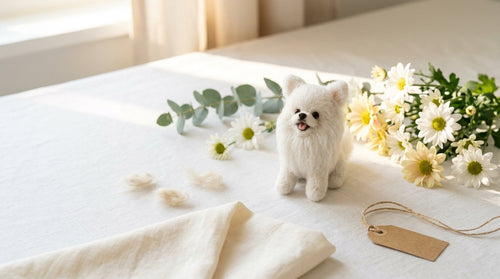
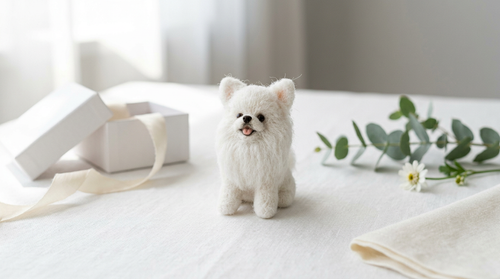
Every Furfond portrait is made with the same method: a skilled artisan sculpts your pet's likeness from raw wool fibers using a barbed needle, building the image layer by layer until the fur texture actually rises gently from the surface. There is no print, no paint, no digital medium involved — only wool, shaped by hand. We then mount the finished piece inside a natural wood shadow-box frame with a glass front.
That construction tells you almost everything about how to care for it. You're really looking after three things: the glass (which keeps dust off the wool), the wooden frame (a natural material that responds to its environment), and the wool portrait inside (protected by the glass, but still sensitive to heat, light, and humidity over the long term). Get the conditions right and you'll rarely need to do anything at all.
Routine Cleaning — A Two-Minute Habit
Because the wool sits sealed behind glass, day-to-day cleaning is wonderfully easy — you're mostly just tending the surface of the frame, not the portrait itself.
For the glass front (every 1–2 weeks):
- Use a dry, soft microfiber cloth and wipe in slow, straight strokes. This lifts dust and fingerprints without scratching.
- If you need more than a dry wipe, lightly mist the cloth — never the frame — with a tiny amount of plain water or a streak-free glass cleaner, then wipe. Spraying directly onto the frame risks liquid seeping past the glass edge and reaching the wool, which you never want.
- Buff with the dry side of the cloth to finish.
For the wooden frame (every few weeks):
- Dust the wood with a soft, dry cloth or a clean natural-bristle brush, following the direction of the grain.
- Pay attention to the corners and the small ledge where the glass meets the wood — dust loves to gather there.
- Avoid silicone-based furniture sprays and oily polishes; they can build up a residue and attract more dust over time. The natural wood needs nothing more than gentle dusting.
That really is the whole routine. A portrait kept in a stable indoor spot will look pristine for years with nothing more than this.
Protecting the Wool Inside for the Long Haul
The wool is your portrait's heart, and although the glass shields it from most everyday hazards, three environmental factors are worth managing thoughtfully.
Light. Wool fibers and their natural dyes are remarkably colorfast under normal indoor lighting, but direct, sustained sunlight will gently soften the tones over many months — the same way it fades a photograph or a favorite armchair. Keep the frame a few feet back from south-facing windows, or anywhere strong afternoon light lands for hours each day. Indirect daylight is perfectly safe and actually shows the felted texture beautifully.
Heat. Avoid placing the frame directly above a radiator, a heating vent, a fireplace mantle that gets genuinely hot, or on top of electronics that run warm. Prolonged heat can dry the wood frame and, over time, isn't ideal for the wool. Normal room temperature is exactly what it wants.
Humidity. Wool is a natural fiber, so very damp rooms — an unventilated bathroom, a basement prone to moisture — aren't the right home for it long-term. A normal living room, bedroom, or hallway is ideal. If you live somewhere humid, a small silica gel packet tucked discreetly behind the frame on the shelf helps keep the immediate air dry.
None of this requires fuss. Choose a sensible spot once — stable temperature, out of harsh sun, away from damp — and the portrait essentially takes care of itself.
Storing or Moving Your Portrait Safely
Sometimes a portrait needs to travel — a house move, a renovation, or a season in storage. A little preparation protects both the glass and the wool.
- Wrap it soft, then firm. Cover the frame in a clean cotton cloth or bubble wrap (glass side protected first), then place it in a rigid box sized so it can't shift around. Acid-free tissue is a nice touch if you have it.
- Store upright, never flat under weight. Stand the frame on its edge like a book, and never stack heavy items on top of the glass.
- Choose a breathable, stable space. A closet shelf inside the home is far better than a garage, attic, or basement, where temperature and humidity swing wildly through the seasons.
- Add a natural moth deterrent for long storage. If the portrait will be boxed away for many months, slip a couple of cedar blocks or a sachet of dried lavender into the box. Wool, like any natural fiber, can attract clothes moths when left undisturbed for a year or more — though sealed behind glass, the risk is low.
When Something Goes Wrong — Repairs and Refreshes
Accidents happen, and handmade wool is far more forgiving than a printed portrait. If the glass cracks in a fall, any local framing shop can replace it without touching the wool inside. If a corner of the wood gets knocked, a dab of matching wood wax usually hides it.
And if the wool portrait itself is ever compressed or damaged — say the frame is dropped and the glass presses into the felt — it can often be needled back into shape by an artisan, because the medium is wool all the way through rather than a fragile printed surface. If you're ever unsure, don't attempt a major fix yourself. Write to us at hello@furfond.com with a photo, and we'll advise on the best path, including arranging a refresh with the original maker when needed.
Frequently Asked Questions
How often do I really need to clean a custom pet portrait frame?
A quick dry-cloth wipe of the glass every week or two and a light dusting of the wood every few weeks is all it takes. Because the wool is sealed behind glass, you won't be cleaning the portrait itself at all under normal conditions.
Can I spray glass cleaner directly on the frame?
Please don't. Always spray onto the cloth first, then wipe. Spraying the frame directly risks liquid running down to the glass edge and reaching the wool, which can stain or mat it.
Will the wool portrait fade over time?
Under normal indoor lighting, the natural and dyed wools stay colorfast for many years. Direct sunlight over months is the only real risk — keep the frame out of strong, sustained sun and you won't notice any change.
What if I need to open the frame?
We don't recommend opening it yourself, as resealing the wool neatly behind glass takes care. If dust ever gets inside or the backing loosens, contact us and we'll guide you, or arrange to service it.
Is the wool portrait fragile?
Not in normal use — the glass protects it from dust, curious paws, and accidental touches. Just guard against drops (the glass), prolonged direct sun (the color), and damp or hot spots (the materials).
Can a damaged portrait be repaired?
Often, yes. Because it's sculpted from wool rather than printed, a skilled felter can reshape compressed fibers or add fresh wool to a damaged area. Reach out to us before attempting anything yourself.
How long will a wool felt portrait last?
Cared for the way this guide describes, a needle-felted wool portrait behind glass is genuinely an heirloom — it can stay beautiful for decades and be passed down, not replaced every few years.
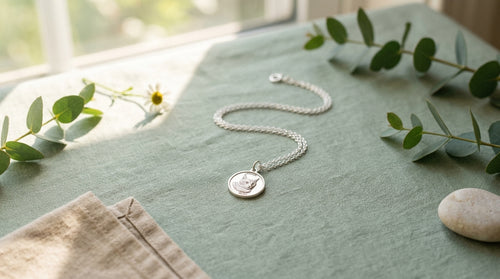
Caring for a handmade portrait is really just a few small habits: a soft cloth, a thoughtful spot away from harsh sun and damp, and a little care when it travels. Give it those, and your portrait will keep your pet's face bright and present in your home for the rest of your life — and likely the next generation's too. If you have a question about your piece, or you're thinking of creating one to sit alongside a custom pet necklace or other pet memorial gifts, we're always here. Write to us at hello@furfond.com or explore the full custom pet portrait frame collection to begin.